

measure twice - cut once
DESIGN ENGINEERING
The Cost of Getting Product Development Wrong
You have a product concept requiring specialized metalworking, multi-materials and mechanical functionality. Without in-house engineering expertise, you effectively outsource development to a manufacturer, surrendering control over costs, design decisions, or delivery timelines.
Common outcomes include: compromised materials and finishes to meet budget constraints, or improvised solutions by the manufacture who's trying to 'help' you, leading to conflict with your Designers wants and your commercial needs.
Upon delivery, quality control reveals compliance failures, unexpected design chnges, even mis-functioning pieces. You can left with unsaleable inventory, perpetually failing products that fall into a 'Returns' black hole. In worst cases, brand erosion sets in.
A Better Approach
Engaging me at the project's outset can directly help you avoid pitfalls. Whether it me choice of mechanism, materials, construction technique. I evaluate materials, processes, and finishes—identifying opportunities to reduce costs and enhance value. Using CAD tools like Rhino and SolidWorks, I anticipate manufacturing challenges and ensure compliance requirements are integrated into specifications.
I can select appropriate manufacturers and serve as technical liaison throughout production, resolving issues before they escalate.
The Difference
Early engineering involvement prevents costly and enfuriating failures. While I can solve problems at any stage, engaging before manufacturer selection delivers substantial savings and ensures compliance from the start.
Whether you need crisis intervention or proactive technical oversight, specialized design engineering with supply chain and regulatory expertise protects your investment.
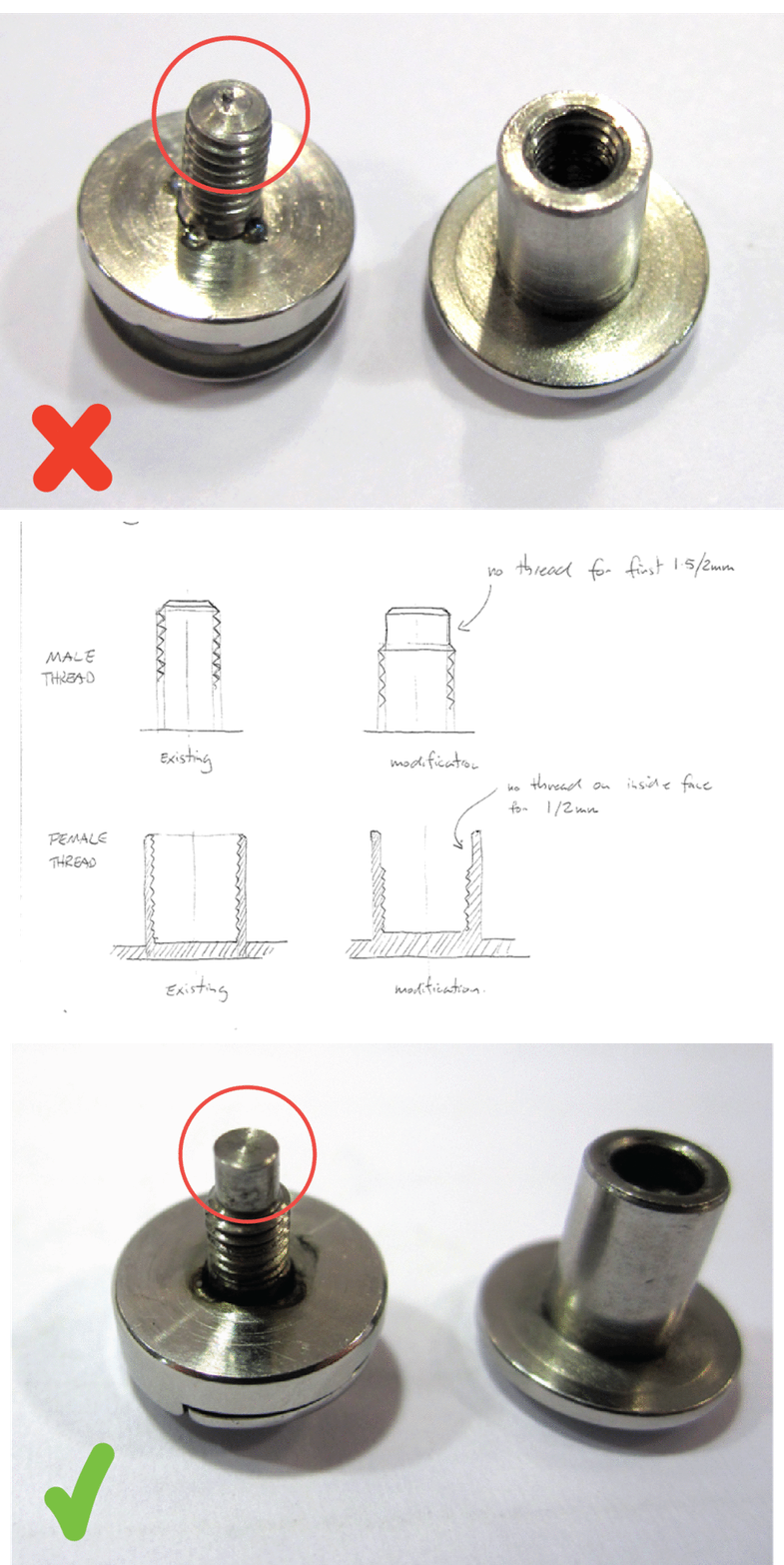
A simple modification to the screw design had numerous positive benefits:
-
ensured the leather workers had a quick, easy job during assembly.
-
The previous iteration caused delays, crossed-treads and all round frustration.
-
The modification cost nothing, simply a little time to study the problem.

I use computer modelling to assess a new or even an existing design. It really can answer questions quickly and easily, while your design is still in-house. If you're not already doing this, then you should be considering how to.


Working through the the issue, applying thought, knowledge and experience, will invariably lead to the right solution and usually quicker than you might think.
Both these sketches solved issues for the supplier and allowed development to continue but with both Design and Budget briefs satisfied.

Designing tools for servicing can be easily accommodated during any well considered development. I never lose sight of the whole picture.